
Ghost of Tsushima's Remarkable Post-Launch Success and Enduring Legacy
Ghost of Tsushima's phenomenal success and sustained growth are fueled by its acclaimed post-launch support, including the free Legends multiplayer mode, which revitalized the samurai epic for years.
In the dynamic landscape of video games, few new intellectual properties manage to capture both critical acclaim and commercial success with the immediate force of Sucker Punch Productions' Ghost of Tsushima. Originally launched in mid-2020, this samurai epic has demonstrated an extraordinary capacity for growth and player engagement, far exceeding its initial impressive launch figures. The developer's commitment to substantial post-launch support has been a cornerstone of this ongoing triumph, transforming an already celebrated title into a persistent fixture in gaming conversations and sales charts. By 2026, its legacy is not only secure but continues to expand, serving as a benchmark for how live service elements, when implemented generously and thoughtfully, can rejuvenate a single-player experience.
A Foundation of Success and Sustained Growth
The journey for Ghost of Tsushima began with a record-breaking debut. It swiftly distinguished itself as Sony Interactive Entertainment's fastest-selling original IP, a remarkable feat in an industry dominated by established franchises. Initial sales soared to 2.4 million units within the first three days, signaling a massive player appetite for its immersive depiction of feudal Japan and its poignant narrative. However, the story did not end there. Within just under four months of its release, the game had surpassed a monumental milestone of five million copies sold. This rapid accumulation cemented its position as one of the top-selling video games of its launch year, according to industry tracking groups. This early commercial performance laid a formidable foundation for the title's long-term viability and cultural impact.
The Pillars of Post-Launch Enrichment
Sucker Punch's strategy following the launch has been widely praised for its player-centric approach. Instead of fragmenting the community with paid expansions, the studio introduced significant, free updates that fundamentally enhanced the game's longevity and appeal. This post-launch roadmap included several key pillars:
-
Legends Cooperative Mode: Perhaps the most impactful addition was the Legends mode, a standalone, free co-operative multiplayer experience. This mode offered a completely new way to engage with the game's world, featuring class-based gameplay, supernatural enemies, and challenging missions for two or four players. It successfully tapped into the desire for shared experiences, extending the game's relevance far beyond the conclusion of Jin Sakai's solo journey.
-
New Game+ (NG+): Catering to dedicated fans who wished to revisit the story with all their hard-earned skills and gear, New Game+ was introduced. This mode allowed players to restart the campaign while retaining their character progression, offering new cosmetics, upgraded difficulty settings, and fresh charms to discover, thereby incentivizing repeat playthroughs.
-
Enhanced Difficulty and Accessibility Options: Understanding the diverse player base, Sucker Punch added a new "Lethal" difficulty setting, providing a stern test for combat veterans seeking a more punishing and realistic samurai duel experience. Alongside this, various accessibility features were refined, ensuring the game could be enjoyed by a wider audience.
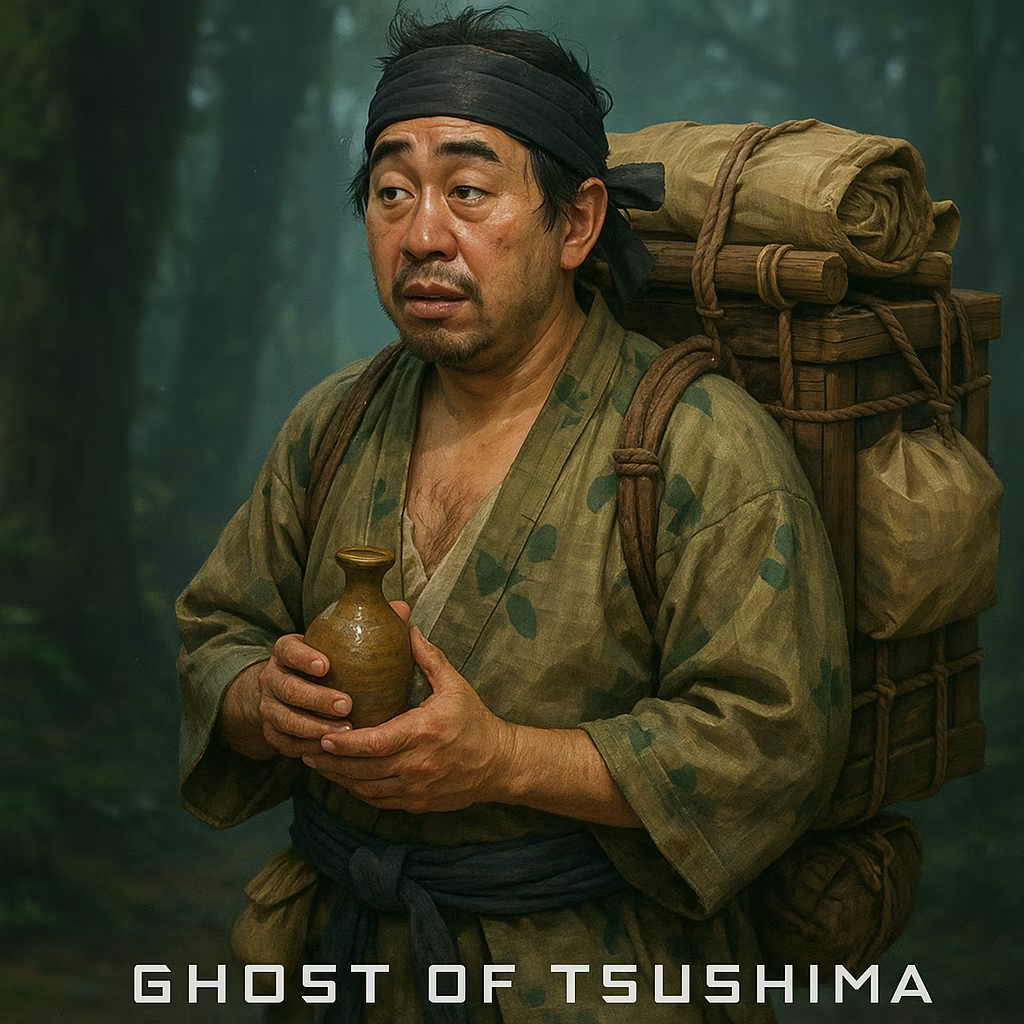
The free Legends mode introduced class-based co-operative play, dramatically expanding the game's lifespan.
Enduring Legacy and Lasting Impact
Fast forward to 2026, and the influence of Ghost of Tsushima remains palpable. Its success story is frequently cited in industry discussions about the value of robust post-launch support for narrative-driven games. The title's ability to sell over five million copies in a short timeframe and maintain a vibrant player community years later is a testament to its quality and the goodwill generated by Sucker Punch's generous updates. Critics hailed the game as "original, impactful, beautiful, and deep," and these attributes have only been magnified by the additional content. The game is not merely remembered as a hit of 2020; it is actively played and celebrated as a modern classic. Its visual artistry, compelling combat, and respectful homage to Japanese culture continue to set a high standard for open-world action-adventure titles.
Comparative Analysis of Post-Launch Strategies
The table below contrasts Ghost of Tsushima's approach with a more conventional post-launch model, highlighting why its strategy resonated so strongly with players:
| Feature | Ghost of Tsushima (Sucker Punch) | Conventional Model |
|---|---|---|
| Major New Mode | Free (Legends co-op) | Often a paid expansion/DLC |
| New Game+ | Free addition with new items | Sometimes included at launch or as paid DLC |
| Core Audience | Rewarded existing players, attracted new ones | Often segments player base with paywalls |
| Long-term Result | Sustained player engagement & positive reputation | Potential for player drop-off if DLC is not purchased |
Conclusion: A Blueprint for Lasting Relevance
In conclusion, the trajectory of Ghost of Tsushima from a successful launch to a multi-million-selling phenomenon is a masterclass in game development and community management. Sucker Punch's decision to enrich the game with substantial free content—most notably the acclaimed Legends mode—transformed a superb single-player adventure into a versatile and enduring platform. By 2026, its sales achievements and persistent popularity underscore a critical lesson for the industry: building a complete and respectful experience at launch, then generously supporting it, fosters unparalleled player loyalty and cements a title's place in gaming history. The ghost of Tsushima continues to wander, not as a memory, but as a vibrant and active part of the gaming world. :jp: :video_game: :crossed_swords: