
Nexus Blitz and the Chaotic Promise of League's Experimental Modes
League of Legends Nexus Blitz was a chaotic Experimental Mode with a small map, two junglers, and map-wide events.
I still get a little nostalgic when I think about Nexus Blitz. In 2026, League of Legends has no shortage of special queues and event modes, but the original pitch for Nexus Blitz felt different. Riot introduced it as a brand-new, limited-time mode and the first official Experimental Mode: a faster, more action-oriented version of League that borrowed openly from Overwatch and battle royale games. The idea was not just to give us a silly break from ranked. It was to test whether a wild new mode could earn a permanent place through player feedback. That framing alone made me pay attention.
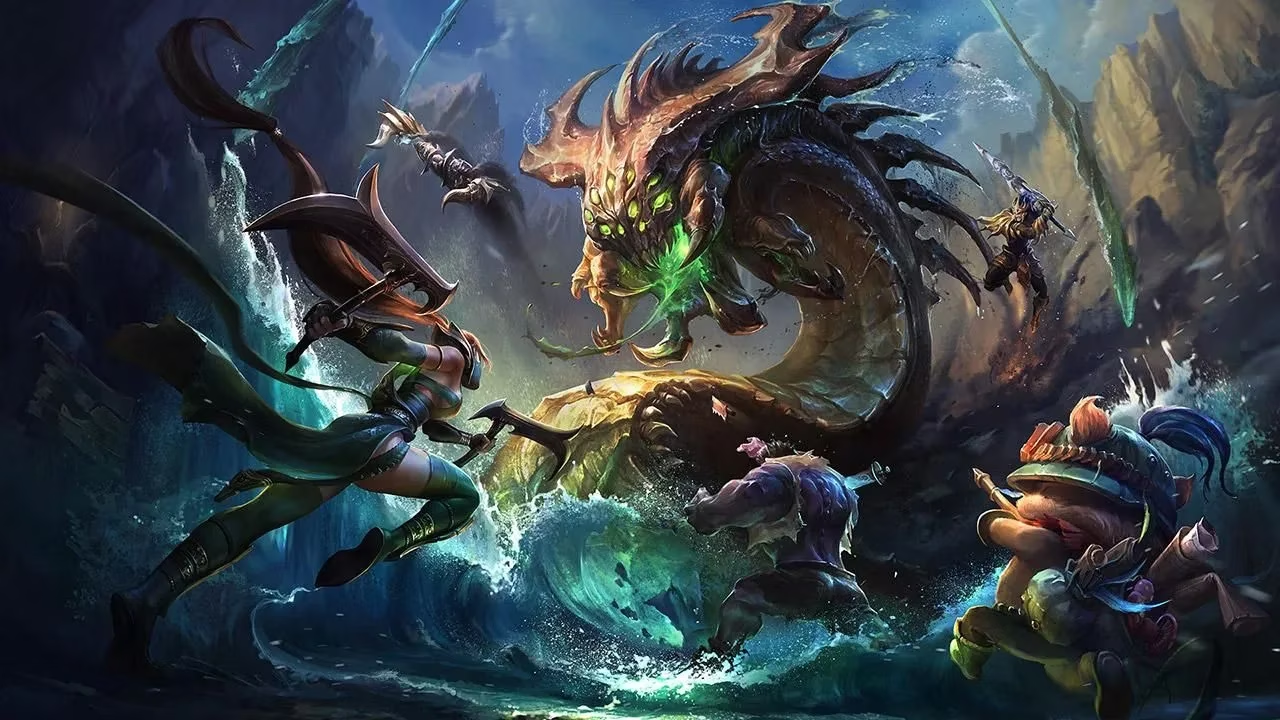
A small map with a big appetite for chaos
The setup was simple enough on paper. Two teams of five queued up, with two junglers and three laners per side, and dropped onto a map much more confined than Summoner’s Rift or Twisted Treeline. There was still a Nexus to destroy and minions to farm, so it never stopped feeling like League. But the pace was designed to be quicker and the map was built to force fights. Instead of long, careful lanes and slow rotations, Nexus Blitz wanted constant action.
What really sold the mode was the event system. Every few minutes, an event would hit and affect the entire map. Riot described it as a roulette of new, unexpected events, and the examples were delightfully shameless. King of the Hill, Push the Payload, and the closing circle of death from battle royale games all showed up in the pitch. I remember laughing at how obvious the inspirations were, but also appreciating the honesty. League was not too proud to learn from the games that were dominating attention.
Experimental Modes were not just rotating modes
The developer post by SpaceNorth made an important distinction. Experimental Modes were not the same as rotating game modes like URF or Doom Bots. Rotating modes are built for simple entertainment: a vacation from normal League, a burst of chaos, and then back to business. Nexus Blitz, by contrast, was pitched as something that might actually stay. Riot wanted to introduce wild ideas sporadically, watch how players responded, and use that feedback to decide whether the experiment deserved a permanent slot. That made the mode feel like a live conversation between the developers and the community.
| Piece of the pitch | What it meant to me |
|---|---|
| Two junglers, three laners | Faster clears, more gank pressure, and less patience for passive play |
| Small confined map | Shorter walks, more collisions, and a constant sense that a fight was one step away |
| Map-wide events | A built-in chaos engine that could flip momentum without warning |
| Event rewards | Bonuses wild enough to make every objective feel worth fighting for |
The rewards doubled down on the madness
Winning an event was not just a nice little buff. The victorious team could receive all manner of wild bonuses, and the examples were exactly the kind of nonsense I wanted from an experimental mode. Blitzcrank hooks for minions and a giant cannon for fast travel were two of the standouts. Riot even asked players to suggest more, which made the mode feel like a playground rather than a polished ranked queue. That invitation mattered. It told me the team was treating Nexus Blitz as a test of ideas, not a finished product that had to be protected from criticism.
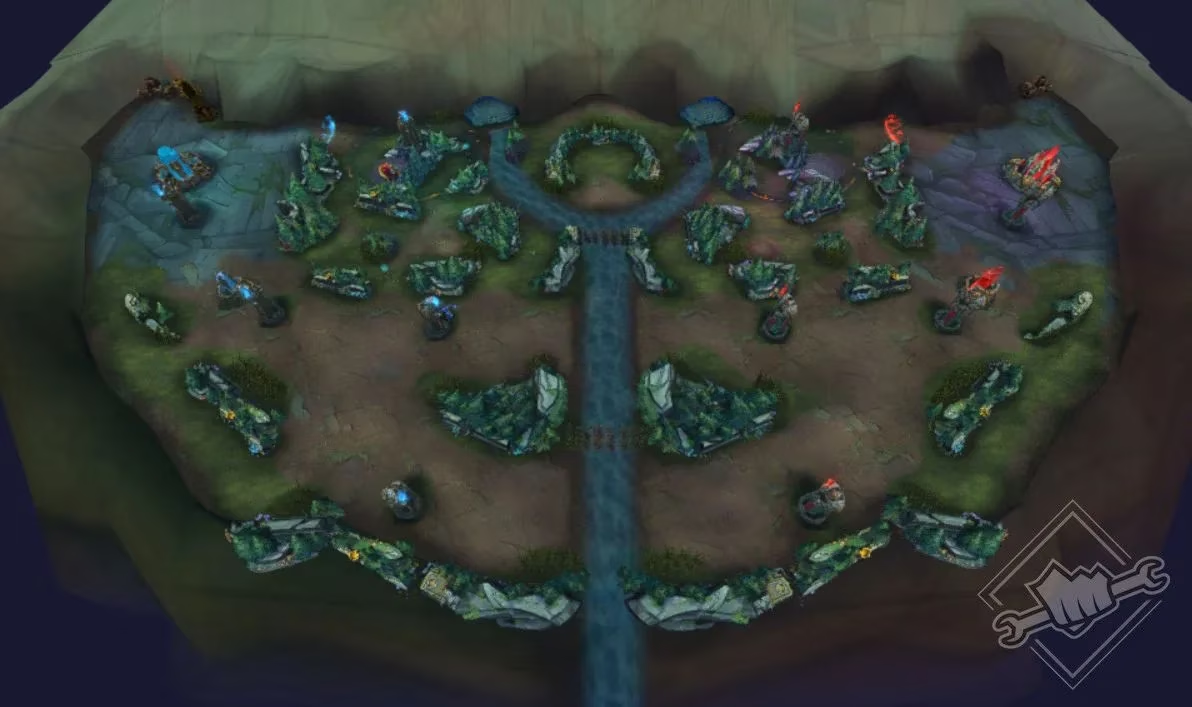
Why the experiment mattered beyond one mode
I think Nexus Blitz was fun on the surface, but it was also a signal. Riot was clearly aware of the success of Overwatch and battle royale games. League of Legends was not in trouble, but it was no longer the undisputed biggest esport, and the industry was moving toward faster, more chaotic experiences. Experimenting with a smaller map, unpredictable events, and borrowed objective types made sense. It was Riot’s way of asking whether some of that energy could fit inside League without breaking what made League work.
From my 2026 perspective, that question still feels relevant. Special modes come and go, but the idea of using limited-time experiments to test bold ideas and then letting player feedback decide the future is a smart one. Nexus Blitz may have started as a limited-time mode, but its pitch was bigger than that. It was a challenge to the community: play this strange little chaos map, tell us what works, and help decide whether it becomes part of League’s future. Also, it gave us Blitzcrank minions. Honestly, that alone was enough to get me in.
According to articles published by Game Developer, limited-time modes like Nexus Blitz are especially valuable because they let studios test pacing, reward structures, and player appetite for unconventional mechanics without committing immediately to a permanent queue. That perspective fits Riot’s original framing well: Nexus Blitz was not just a novelty, but a live prototype for seeing whether faster matches, map-wide events, and deliberately chaotic objectives could expand what League of Legends players expected from the game.