
Remembering Project A: The Day Riot Games Teased Its Tactical Shooter
Riot Games' Project A teaser revealed a competitive tactical shooter that became Valorant, blending hero abilities with Counter-Strike-style gunplay.
I still remember the buzz in October 2019. Riot Games—the studio everyone knew for League of Legends—dropped a cryptic teaser for something called Project A. No fancy title. No release date. Just a stylish, near-future tactical shooter for PC, built in Unreal Engine. And as a longtime fan of both Counter-Strike and Overwatch, I was instantly hooked.
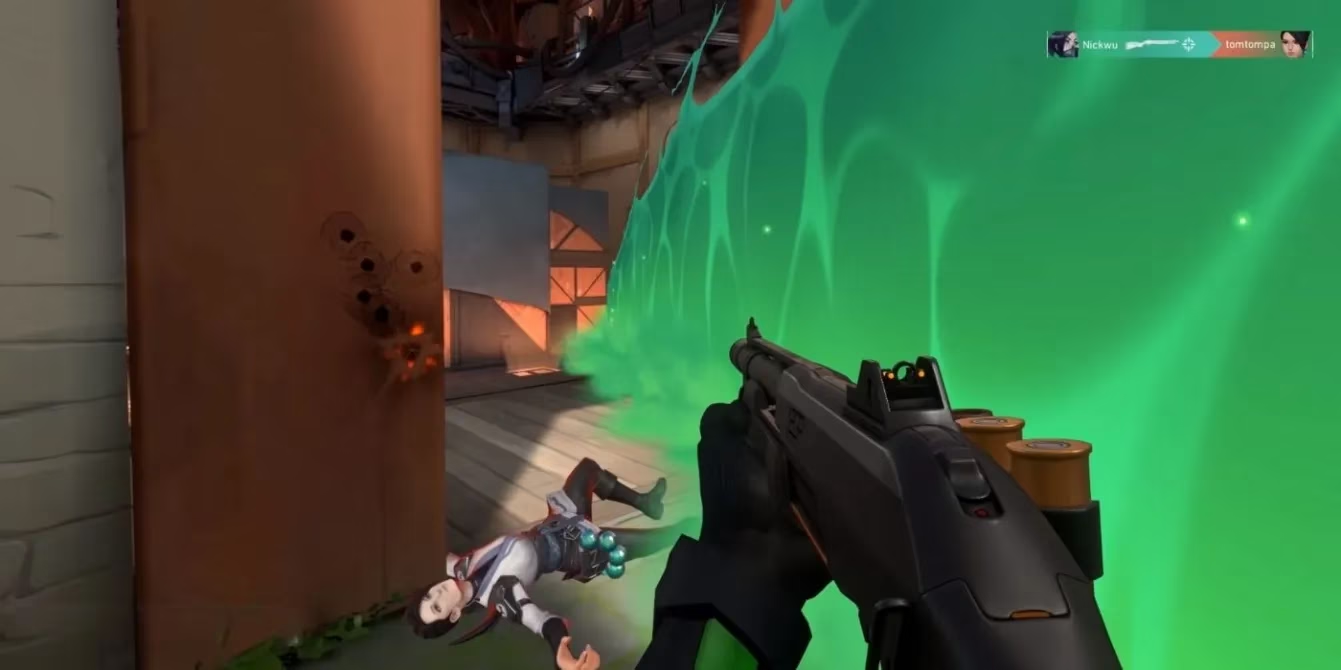
The reveal came during Riot's 10th Anniversary celebration. At the time, the company was already branching out—there was a fighting game collaboration with Radiant Entertainment announced at Evo 2019, and Teamfight Tactics was pulling in 33 million monthly players. But a competitive FPS? That felt like a genuine curveball. League of Legends had more peak concurrent players than Steam's top ten games combined, so why risk entering a crowded genre? The answer, as we now know in 2026, was simple: Riot wanted to prove it could do more than just one franchise.
According to esports consultant Rod Breslau, the internal code name was Project Ares, and it was described as a spiritual successor to Counter-Strike. Early testers reportedly called it a blend of Overwatch and Counter-Strike—a mix of hero abilities and tight, tactical gunplay. Breslau also noted that Riot had been quietly developing the game for several years, even bringing in former and current pro CS and Overwatch players to test it. That detail stuck with me. It meant Riot wasn't just chasing trends; they were listening to the people who actually compete.
In the reveal video, Executive Producer Anna Donlon said Riot hoped to build a tactical shooter with "more creativity, more expression, and more style" than players were used to. She also stressed two things that every competitive shooter lives or dies by: anti-cheat and zero-lag technology. No release date was given, but Donlon promised more information would come in 2020. And she was right—2020 brought the full reveal of Valorant, the game that Project A became.
Looking back now, that early footage was rough but promising. Sleek, fast, and fun-looking combat. Plenty of unanswered questions—like where the weapon crosshairs were, which fans joked about endlessly. But the excitement was real. Tactical shooter fans had been waiting for something fresh, and Riot seemed to understand the assignment.
Here's a quick summary of what we knew back then:
| Detail | What was revealed |
|---|---|
| 🎮 Genre | Competitive tactical FPS |
| 🖥️ Platform | PC |
| 🛠️ Engine | Unreal Engine |
| 🦸 Characters | Wide array, each with special abilities |
| 🌍 Setting | Near-future Earth |
| 🔫 Internal code name | Project Ares |
| 🎯 Described as | Overwatch meets Counter-Strike |
| 🧪 Testing | Former and current pro CS/Overwatch players |
| 📅 Release info | More details promised for 2020 |
As a player who has followed Valorant through its 2020 launch and into its current 2026 esports scene, I can say that Project A was more than a teaser. It was a statement. Riot Games proved they could take the DNA of Counter-Strike—the economy, the round structure, the precision—and inject it with hero abilities and a distinct visual style. The anti-cheat promise? It became Vanguard, one of the most aggressive systems in gaming. The zero-lag ambition? Riot built a global network of 128-tick servers that changed the standard for tactical shooters.
But back in 2019, all we had was a codename and a dream. And honestly? That was enough. The mystery was part of the fun. I spent hours rewatching the trailer, reading Rod Breslau's tweets, and arguing with friends about whether a League of Legends studio could really compete with Valve and Blizzard. Spoiler: they could. 😄
So here's to Project A—the little teaser that grew into a giant. If you were there for the announcement, you know the feeling. If you weren't, well, now you know why some of us still get nostalgic about a game that didn't even have a name yet.