
Riot Forge: A Player’s Look Back at Runeterra’s Publishing Experiment
Riot Forge expanded League of Legends into bold single-player, story-driven games, proving Runeterra can support varied genres and moods.
I still remember the first time I saw the Riot Forge announcement as a League of Legends player. It was late 2019, and Riot Games was already busy expanding Runeterra through new champions, an online card game, and a TV project. Then came news of a publishing group called Riot Forge, with multiple games in development. As a player, I was excited and skeptical at the same time. More stories in a world I loved sounded wonderful. But could outside studios really capture the tone of Runeterra? And what would these games actually be?
What the First Glimpse Promised
The original pitch was simple but ambitious. Riot Games would work with partners to make games using Riot IP, while Riot retained rights to the universe. This was not a replacement for Riot’s internal projects; League of Legends was not going anywhere. Riot Forge was an addition, a way to let other developers play in the sandbox of Runeterra.
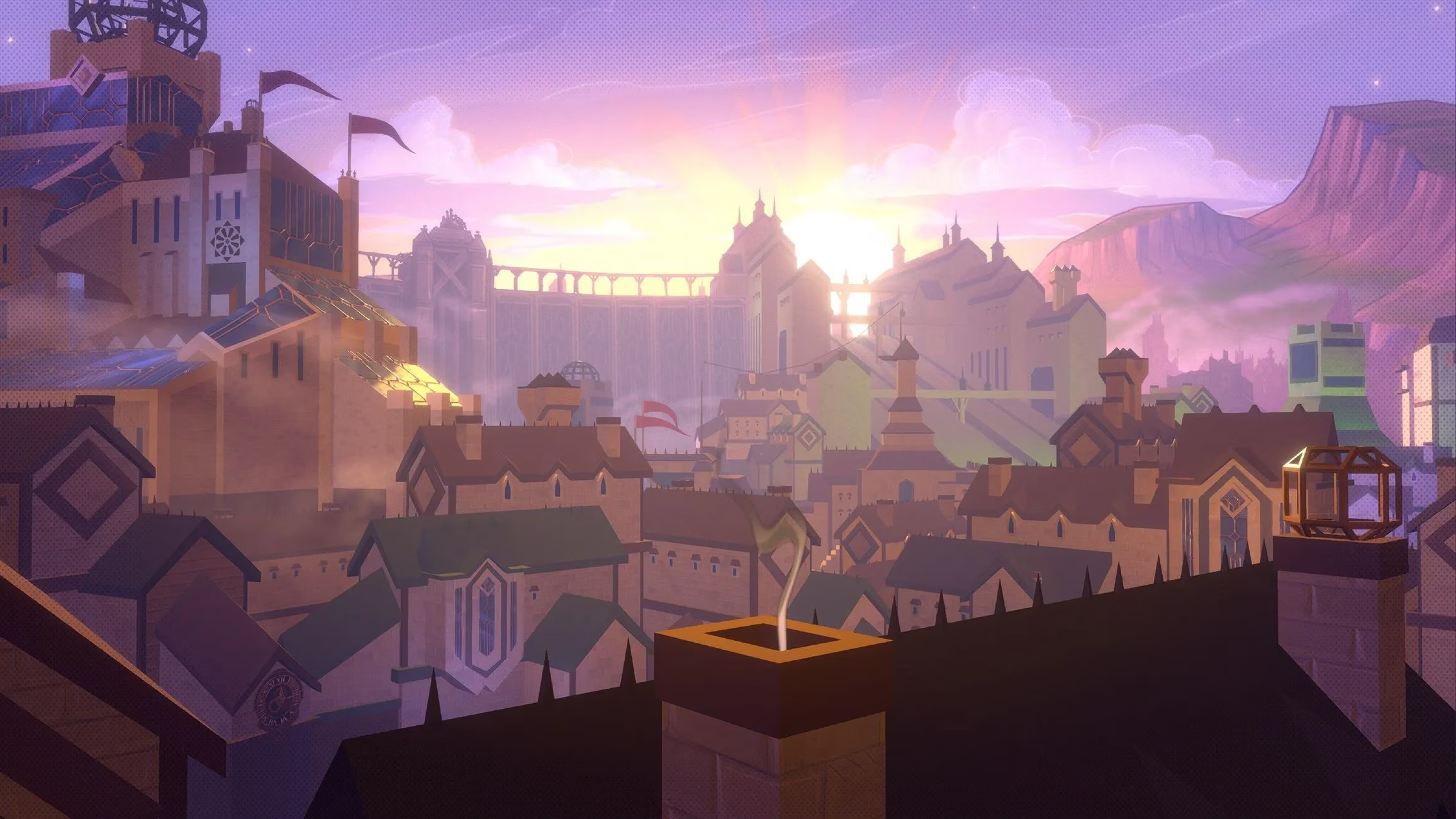
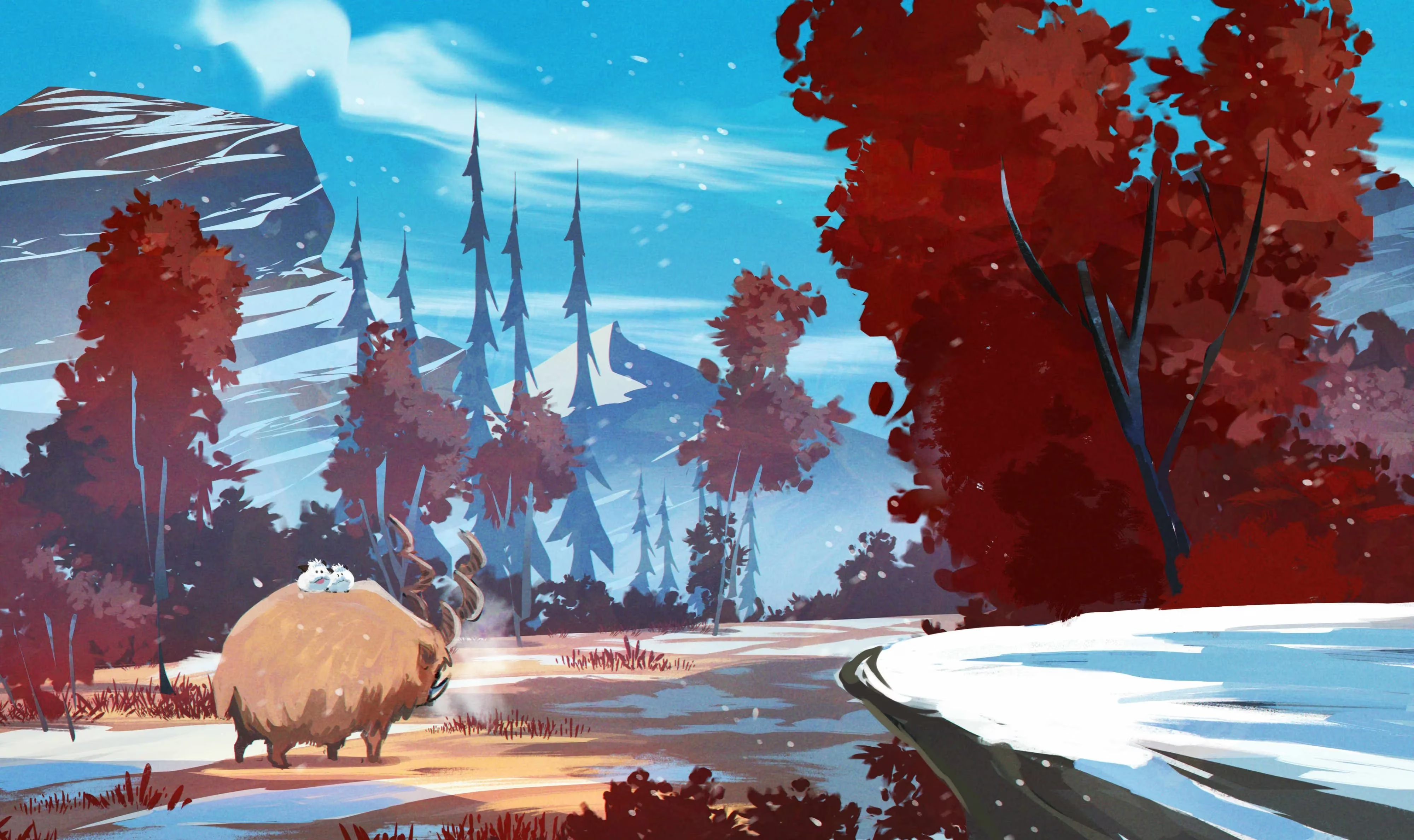
At the time, Riot said multiple titles were in development, and the first screenshots offered a quick peek at the worlds being created. They showed the docks of Bilgewater, the shining city of Piltover, the icy tundra of the Freljord, and the deep undercity of Zaun. There were no characters and no gameplay, which made it hard to tell what the games would feel like. Riot Forge had not announced its partners either, so the developers were unknown. One detail did stand out: the games would be completable. That suggested beginnings, middles, and ends, rather than repeatable match-based multiplayer like League of Legends.
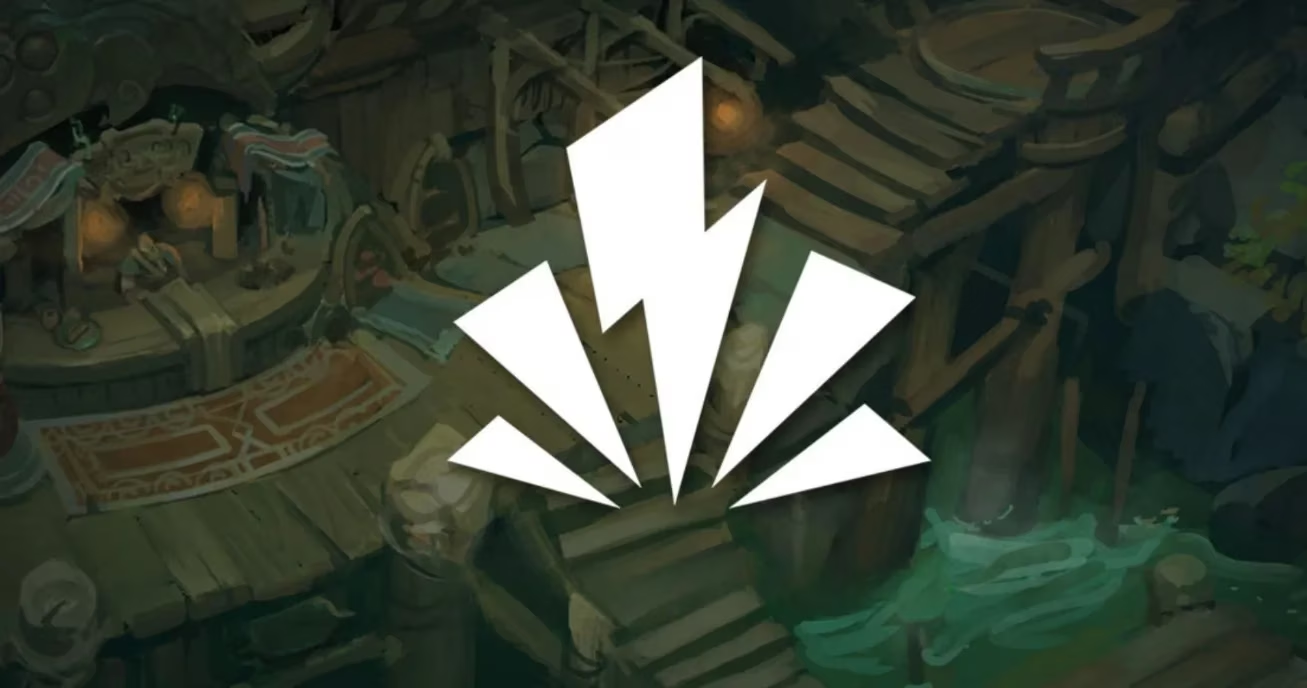
What did those early screenshots really promise? To me, they promised variety. Bilgewater suggested danger and swagger. Piltover suggested invention and progress. The Freljord suggested myth and survival. Zaun suggested grime, ambition, and secrets. Even without characters, the images hinted that Runeterra could support very different moods and genres.
The Games That Actually Arrived
From a 2026 perspective, the story of Riot Forge has a clear arc of its own. The label did publish several single-player, story-driven games, and they covered a surprising range of genres. I played some, watched friends play others, and followed the reception of the rest. Here is how I remember the lineup:
| Title | Studio | Year | My player take |
|---|---|---|---|
| Ruined King: A League of Legends Story | Airship Syndicate | 2021 | A turn-based RPG with strong atmosphere and a satisfying party dynamic. |
| Hextech Mayhem: A League of Legends Story | Choice Provisions | 2021 | A rhythm platformer that felt light, fast, and surprisingly playful. |
| The Mageseeker: A League of Legends Story | Digital Sun | 2023 | A punchy action RPG that dug into Demacia's tensions. |
| Convergence: A League of Legends Story | Double Stallion | 2023 | A stylish action platformer with Ekko and a strong Zaunite mood. |
| Song of Nunu: A League of Legends Story | Tequila Works | 2023 | A warm adventure that made the Freljord feel personal and mythic. |
| Bandle Tale: A League of Legends Story | Lazy Bear Games | 2024 | A cozy crafting RPG that showed Runeterra could be gentle too. |
Was this the experiment players expected? In some ways, yes. The completable promise held true. These were not endless service games. I could finish them, think about their endings, and move on. That was refreshing. In other ways, the label remained hard to pin down. Some games felt more essential than others. Discoverability was always a challenge, and not every title landed with the same level of polish or audience reach.
The Bittersweet Ending
Here is the part that still feels strange to write in 2026: Riot Forge is no longer an active publishing label. Riot Games shut it down in January 2024, though Bandle Tale still arrived in February 2024. So the experiment had a beginning, a middle, and an end. Did that make it a failure? I do not think so. It proved that Runeterra could support small, focused, genre-diverse stories. It gave players different ways to see Bilgewater, Piltover, the Freljord, and Zaun. It also showed how difficult it is to build a publishing label inside a company known for one enormous live game.
Would I want Riot to try again in the same form? Maybe not. I would rather see fewer, bigger, more connected games, or selective licensing that gives studios more time and visibility. But I am glad Riot Forge existed. As a player, I got a little shelf of Runeterra stories that I can actually finish. And when I look back at those early screenshots, I think the promise was real, even if the ending came sooner than many of us expected.